chart of accounts and trial balance. 147 rows the chart of accounts should be split into balance sheet and income statement sections, each of which is then subdivided into groups (e.g. A trial balance is a listing of all accounts (in this order:

chart of accounts and trial balance A chart of accounts (coa) is a structured list of an organization’s financial accounts used to categorize and record financial transactions. Generally the most used accounts should be kept near the top of each group. Fixed assets, accounts receivable, sales etc).
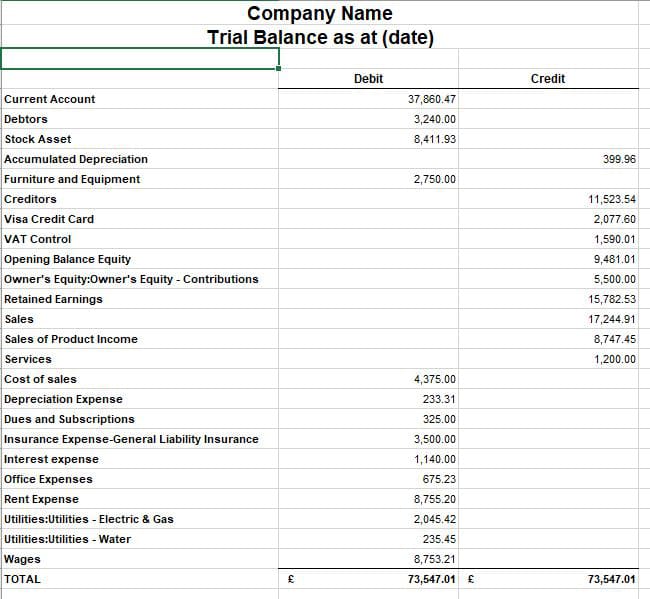
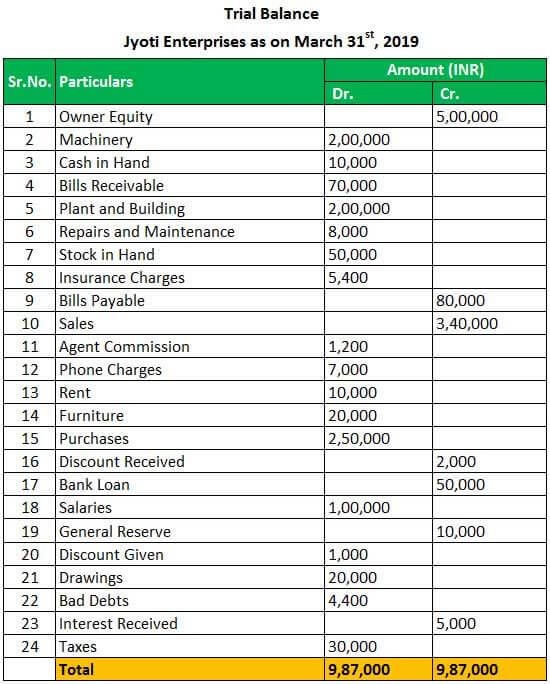
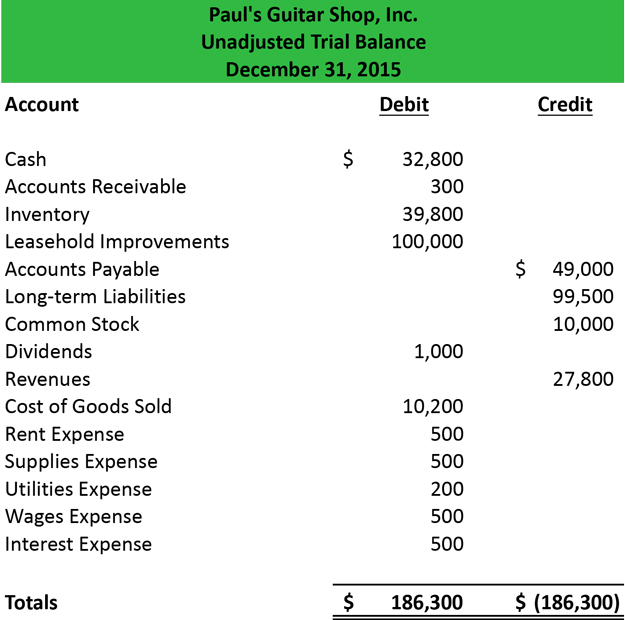

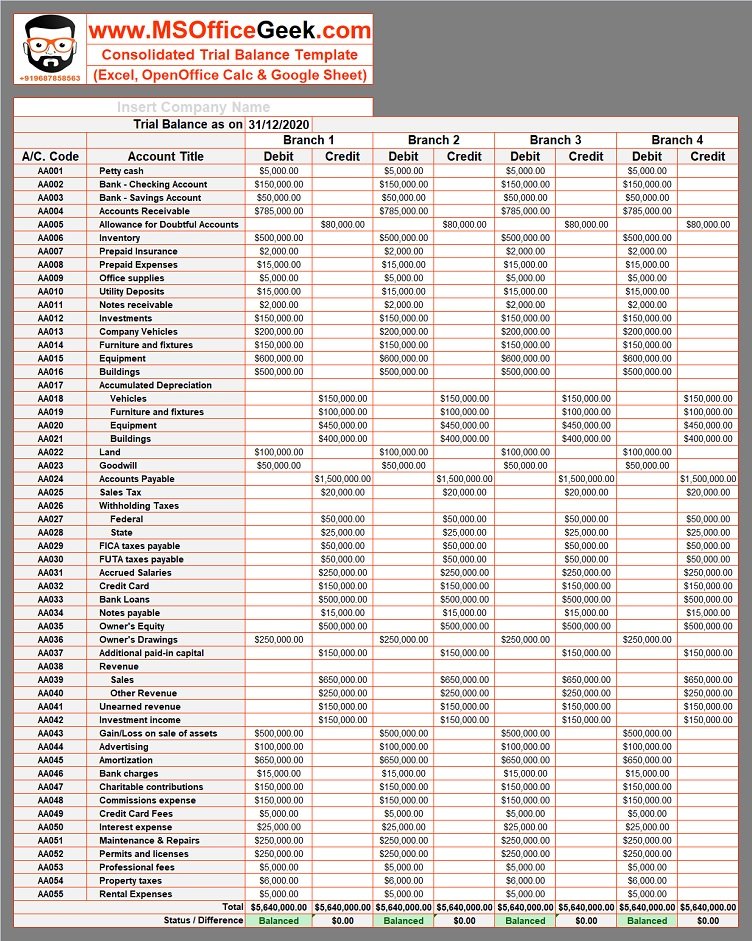

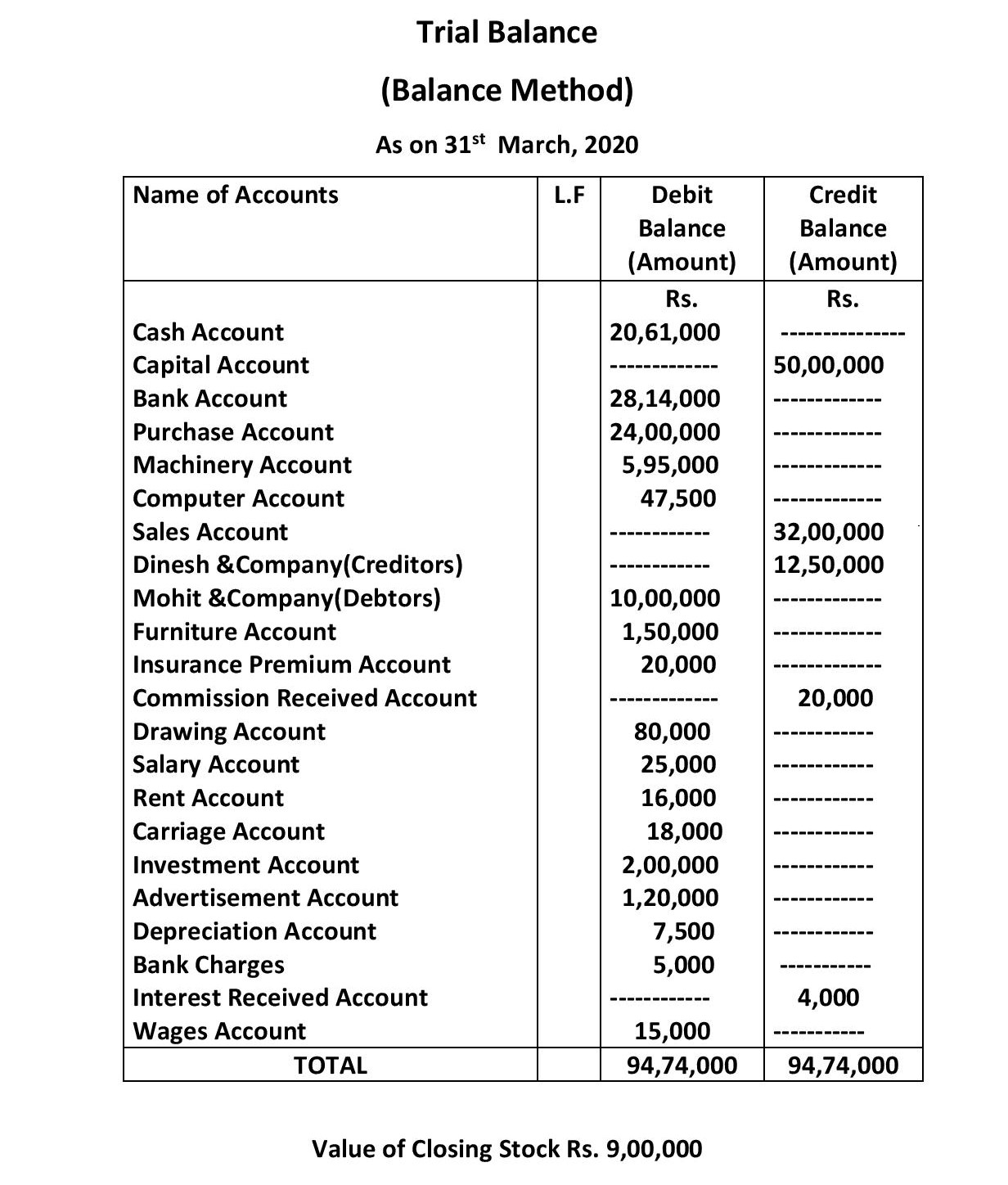
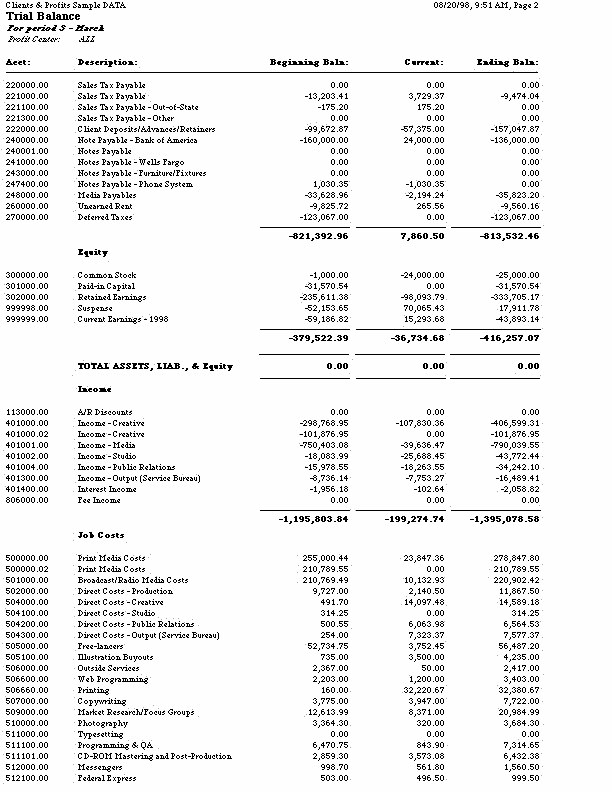
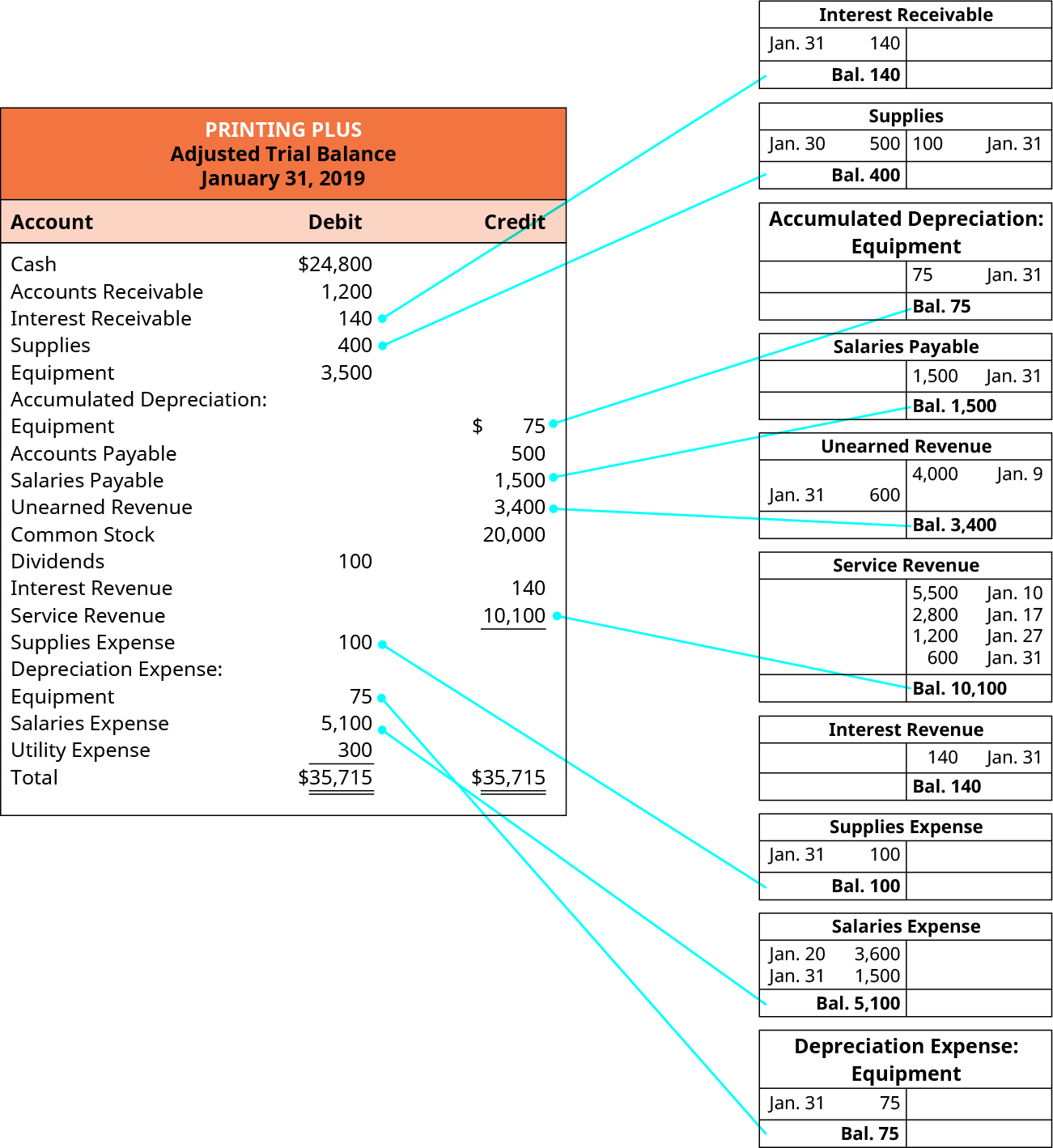
A Trial Balance Is A Listing Of All Accounts (In This Order:
At the end of an accounting period, a trial balance is prepared by listing all the accounts and their balances to. It is a statement of. This sample chart of accounts structure allows the business to easily identify accounts and account codes enabling.
As Per The Accounting Cycle, Preparing A Trial Balance Is The Next Step After Posting And Balancing Ledger Accounts.
A chart of accounts (coa) is a structured list of an organization’s financial accounts used to categorize and record financial transactions. It serves as the backbone of an. A trial balance is a report that lists the ending balances of each account in the chart of accounts in balance sheet order.
Asset, Liability, Equity, Revenue, Expense) With The Ending Account.
Fixed assets, accounts receivable, sales etc). 147 rows the chart of accounts should be split into balance sheet and income statement sections, each of which is then subdivided into groups (e.g. Generally the most used accounts should be kept near the top of each group.